Kojic Acid Powder: Benefits, Uses, and Possible Side Effects
1. What Is Kojic Acid Powder?
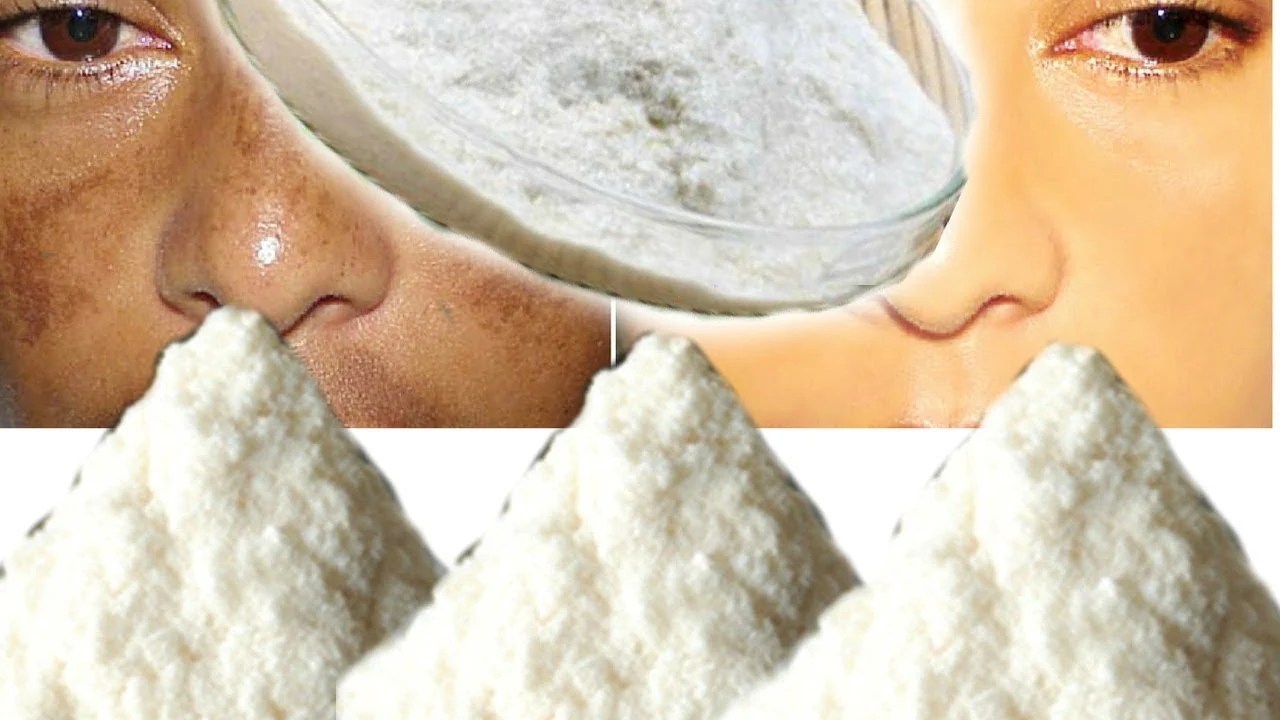
Kojic acid powder is a fine, white crystalline substance that originates from certain species of fungi, most notably Aspergillus oryzae. Naturally produced during the fermentation of rice for traditional Japanese products such as sake and soy sauce, kojic acid has found extensive applications in the cosmetic, pharmaceutical, and food industries. In skincare, it’s valued for its ability to promote a brighter, more even complexion and its potential anti-aging effects.
2. Key Benefits of Kojic Acid Powder
1. Skin Brightening
One of the most recognized benefits of kojic acid is its skin-lightening effect. It works by blocking the activity of tyrosinase—an enzyme essential for melanin production. By limiting melanin formation, kojic acid helps reduce the appearance of dark spots, uneven skin tone, and discoloration.
2. Anti-Aging Effects
Kojic acid may also contribute to a more youthful appearance. Its ability to suppress melanin production can minimize age spots and sun damage, giving the skin a smoother, more radiant look. Over time, this can help reduce visible signs of aging such as dullness and uneven tone.
3. Treatment for Hyperpigmentation
Kojic acid is widely used to address hyperpigmentation-a condition characterized by dark patches on the skin caused by excess melanin. Regular use of kojic acid-based products can help lighten these areas, resulting in a more balanced complexion.
4. Anti-Inflammatory Properties
In addition to its cosmetic uses, kojic acid exhibits mild anti-inflammatory properties. This can help calm irritated skin and provide relief from certain inflammatory skin conditions like eczema or psoriasis.
3. Common Uses of Kojic Acid Powder
1. In Skincare Formulations
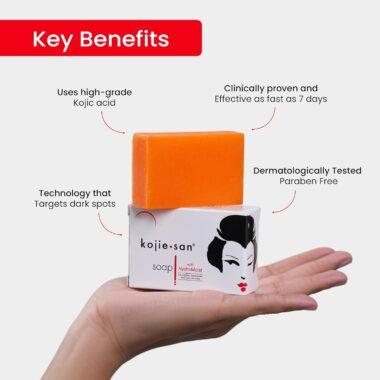
Kojic acid is a popular active ingredient in many skincare products, including serums, creams, soaps, and lotions. It’s often combined with other ingredients such as niacinamide or vitamin C to enhance skin-brightening effects and reduce dark spots.
2. In Food Preservation
Beyond cosmetics, kojic acid serves as a natural preservative. Its antimicrobial properties help prevent the growth of harmful microorganisms, extending the shelf life of certain foods.
3. In Medicine and Research
Preliminary studies suggest that kojic acid may possess anti-tumor and antioxidant properties, making it a compound of interest in medical and pharmaceutical research.
4. How to Use Kojic Acid Powder Safely
Kojic acid powder can be incorporated into homemade skincare products such as face masks, lotions, or serums. To use it safely:
- Always perform a patch test before applying it to larger skin areas.
- Start with a low concentration to assess skin tolerance.
- Combine kojic acid with a moisturizing base or carrier ingredient to minimize dryness.
- Use sunscreen daily, as kojic acid can increase your skin’s sensitivity to UV rays.
5. Possible Side Effects of Kojic Acid Powder
While generally safe when used correctly, kojic acid may cause side effects in some individuals, such as:
- Skin irritation or redness
- Itching or mild burning sensation
- Allergic reactions
- Increased sensitivity to sunlight
If any of these symptoms occur, discontinue use immediately and seek advice from a dermatologist.
6. Conclusion
Kojic acid powder is a naturally derived ingredient with a long history of use in skincare and food production. Its powerful skin-lightening and anti-aging benefits make it a favorite among those looking to achieve a more radiant complexion. However, like any active ingredient, kojic acid should be used responsibly and with proper sun protection to avoid irritation or sensitivity.
7. Frequently Asked Questions (FAQs)
1. Is kojic acid powder safe to use?
Yes, kojic acid is generally safe for topical use when applied in appropriate concentrations. However, it may cause irritation in people with sensitive skin.
2. Can kojic acid powder lighten the skin?
Yes. Kojic acid works by inhibiting melanin production, leading to a lighter and more even skin tone over time.
3. How is kojic acid used in skincare products?
It’s commonly added to creams, serums, and soaps formulated to reduce dark spots, hyperpigmentation, and uneven skin tone.
4. Can kojic acid be used in food preservation?
Yes. Its natural antimicrobial properties make it effective in preventing the growth of bacteria and other spoilage organisms in food.
5. What are the potential side effects of kojic acid?
Possible side effects include mild irritation, redness, itching, or sun sensitivity. Always conduct a patch test before regular use.